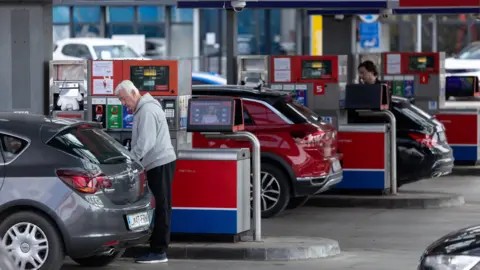
Slovenia has moved to limit how much fuel each motorist can buy, becoming the first EU member state to introduce nationwide rationing as regional tensions push up prices.
The government says the measure responds to market disruptions driven by recent strikes in the Middle East that have shaken global energy supplies and sent pump prices higher.
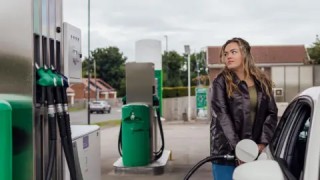
Under the new rules, private drivers may purchase up to 50 litres of fuel per day, while businesses and farmers are allowed 200 litres.
Fuel retailers are responsible for enforcing the limits at the pumps.
Some companies had already introduced caps: regional operator MOL had limited sales to 30 litres at its stations.
Authorities are also urging outlets to consider tighter controls for foreign-registered vehicles.
Price differences are a major factor behind the surge in cross-border buying.
Petrol in Austria is nearing €1.80 a litre, with diesel around €2.00, while Slovenia’s capped rates have been about €1.47 for Euro‑super 95 and €1.53 for diesel, though those levels are scheduled to rise.
Prime Minister Robert Golob said fuel supplies in Slovenia are adequate and storage sites remain well stocked.
Still, empty forecourts and long queues have been reported at border stations.
The rush has attracted political attention: Austria’s far-right leader Herbert Kickl publicised his own refuelling trips, while reactions in Slovenia are mixed — some locals complain about delays and shortages, others note that visiting drivers boost cafes and shops.
Officials warn that as long as price gaps persist, cross‑border demand will continue to strain service stations, and businesses remain concerned about the broader impact of rising fuel costs.