Another surge in energy prices has jolted Europe, reviving memories of the 2022 shock that followed Russia’s invasion of Ukraine.
This time the trigger is instability in the Middle East, which has disrupted key shipping routes and sent markets into a fresh tailspin.
The EU had vowed to end its heavy dependence on Russian fuels after 2022 and moved quickly: Russia now supplies almost none of the bloc’s oil imports, and Brussels aims to cut off all Russian gas by next year.
Yet removing Moscow from the map did not make Europe self-sufficient — it simply shifted reliance to other suppliers.
Liquefied natural gas has become central to Europe’s strategy, with the United States now providing around 57% of the EU’s LNG imports.
Germany, which once took most of its gas from Russian pipelines, now sources up to 96% of its LNG from the US, highlighting how quickly trade patterns have shifted.
That dependence on distant suppliers carries risks.
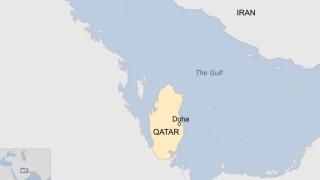
The recent closure of the Strait of Hormuz after attacks involving Iran tightened global markets, lifting oil prices by roughly 8% and pushing European gas prices up about 20% on the morning of March 2.
Experts warn Europe can usually outbid other buyers in a crunch, securing supplies at a price.
But securing fuel in a crisis is not the same as protecting industry and households from volatile costs that undermine competitiveness.
Political leverage has become a new factor.
Washington has used LNG exports and trade pressure as bargaining chips, including threats of steep tariffs that were later softened after negotiations.
A high-profile agreement to funnel hundreds of billions of dollars of purchases toward US energy and technology is still under scrutiny in Brussels.
Norway has stepped into the gap left by Russia, supplying roughly a third of the EU’s gas and half of the UK’s needs.
Yet Oslo says it is already near peak production, and its calls for more Arctic development clash with EU climate aims — exposing a familiar tension between energy security and emissions goals.
Brussels is scrambling for quick fixes ahead of an EU leaders’ meeting: tax reviews, consumer price caps and targeted industry relief are all on the table.
These short-term measures reflect political fears that rising bills and possible refugee flows could empower populist movements across the continent.
Longer-term options point to more electrification, renewables and possibly nuclear to reduce exposure to fossil-fuel market swings.
China is often cited as an example, having shifted a large chunk of its energy use onto electricity and rapidly expanded electric vehicle adoption, thereby lowering its vulnerability to oil and gas shocks.
Still, deep divisions across the EU complicate big shifts.
Debates flare over whether to soften or defend the Emissions Trading System, how quickly to invest in new infrastructure, and whether to reopen areas for fossil-fuel development to stabilize supply.
Analysts urge a balanced, realistic strategy: build strategic stockpiles, accelerate clean electricity where feasible, and redesign consumption patterns to blunt future shocks.
The core question for leaders in Brussels is whether this crisis will prompt coordinated reform or simply another round of short-term scrambling.