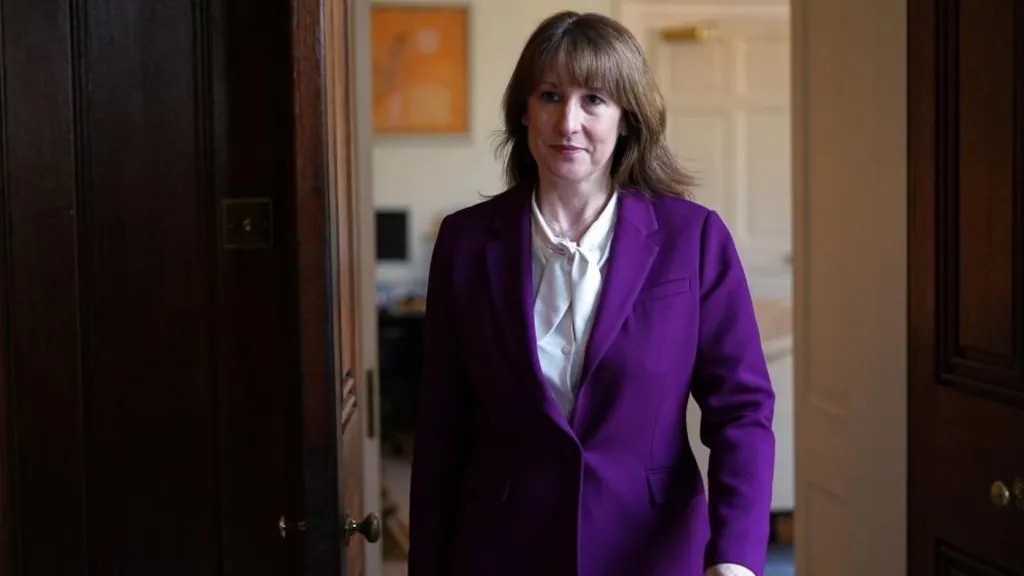
Chancellor Rachel Reeves will tell MPs how the UK plans to respond if the war in the Middle East pushes energy bills higher.
Her Commons statement will cover three main areas: a short assessment of the economic fallout, measures to bolster energy security, and the principles that would guide any future household support.
On energy security, Reeves will recommit the government to building more nuclear capacity, with new enabling legislation expected after the King's Speech in May and further bills later in the year.
She will also unveil a new package designed to stop businesses from profiting unfairly from price spikes, giving regulators time-limited, targeted powers to act against firms found to be exploiting customers.
Reeves is expected to say any extra help with bills would be guided by affordability and fairness, and is unlikely to be handed out to every household.
Ministers have some breathing room: the current price cap on gas and electricity runs until the end of June, giving officials time to design options that are feasible and fiscally responsible.
Officials point to past interventions — emergency support after Russia’s invasion of Ukraine and large pandemic spending — when explaining why a repeat of universal handouts would be hard to afford.
The government now spends roughly 10% of its budget on interest payments for the national debt.
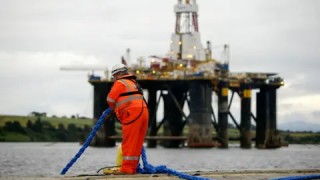
Energy Secretary Ed Miliband has pushed renewables as the priority route to resilience, warning that extra North Sea drilling would not change prices set by global gas markets.
He says small plug-in solar panels, aimed at balconies and gardens and expected to retail for a few hundred pounds, will hit UK shops later this year.
Ministers are juggling contingency planning and public reassurance as the conflict continues overseas, briefing that they are preparing for different scenarios without wanting to alarm households.