A fresh shock from the Middle East has sent energy markets reeling and reopened a debate Europe hoped it had settled.
Months after stepping away from Russian fuels, EU capitals now face sharp price jumps and renewed political pressure as supplies tighten.
After Russia’s 2022 invasion of Ukraine, the EU moved quickly to cut dependence on Moscow.
Oil flows from Russia have almost disappeared for most member states, and a formal end to Russian gas imports is planned, marking a major shift in sourcing.
But replacing one dominant supplier has not solved the problem.
Europe’s gas needs have migrated to liquefied natural gas (LNG), supplied largely by the United States and Norway, creating new lines of vulnerability tied to global markets.
The bloc is now the world’s biggest LNG buyer, with US deliveries accounting for a large share of its imports.
Germany, for example, now receives nearly all its LNG from the US, underscoring how quickly trade patterns have realigned.
That dependence on transatlantic and North Sea suppliers has political as well as economic consequences.
High-level deals to lock in US energy and technology purchases were struck amid threats of tariffs and trade pressure, raising worries that energy policy has been shaped by geopolitics as much as by strategy.
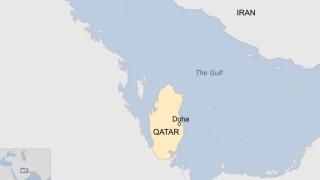
The recent disruption in the Strait of Hormuz — a vital oil transit route — has shown how fragile global commodity markets are.
Even though Europe buys little directly from the region, blockages and military tensions push up prices everywhere; oil and European gas benchmarks spiked sharply in early March.
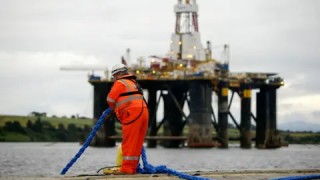
Norway now supplies roughly a third of EU gas and half of the UK’s, but Oslo says it is close to maximum output.
Expanding European production would require new investment and runs into conflicts with climate goals, while rivals continue to ramp up Arctic LNG projects.
For many EU leaders the immediate task is damage control.
Brussels is under pressure to shield households and industry from higher bills, with short-term options under discussion including tax adjustments, price caps and targeted relief for vulnerable sectors.
Longer-term debates are sharper and more divisive.
Some governments argue for easing carbon-market rules or slowing the transition to protect competitiveness.
Others insist that weakening climate instruments would reward laggards and undermine investments in cleaner technologies.
China is often held up as an alternative model: its economy relies more heavily on electricity than most Western economies, and a large share of new car sales are electric.
That level of electrification reduces exposure to international oil and gas swings, but requires massive infrastructure and policy alignment.
Brexit still complicates cooperation on energy projects between the EU and the UK, despite clear mutual benefits from closer ties on offshore wind and North Sea resources.
Political differences and legal constraints make seamless coordination harder than technocrats would prefer.
The immediate crisis has highlighted a simple truth: Europe needs both short-term cushions and a credible long-term roadmap.
That means bigger stockpiles, smarter demand management, and sustained investment in renewables and low-carbon power — along with realistic timelines and tough political choices.
Leaders meeting in Brussels will have to decide whether this episode prompts incremental fixes or a more ambitious, unified strategy.
The question remaining is whether political divisions will give way to the kind of collective action that can prevent similar shocks in the future.