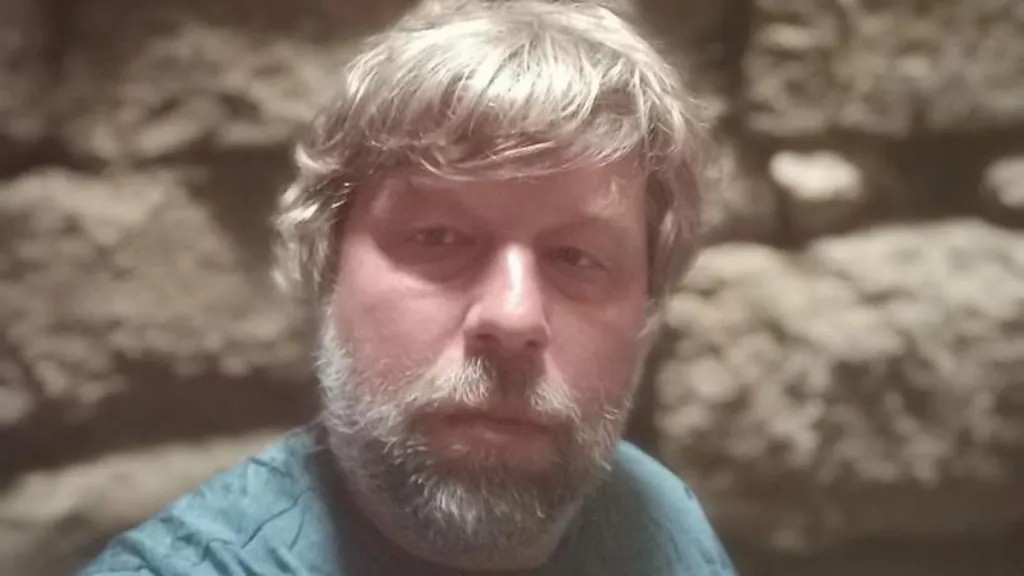
A Polish court has ruled that Russian archaeologist Alexander Butyagin can be handed over to Ukraine to face charges over alleged illegal excavations and the removal of artefacts from Crimea.
Butyagin has been held in a Warsaw detention centre since his arrest in December at Kyiv's request.
The judge in Warsaw, Dariusz Łubowski, made the decision that could lead to extradition, though Butyagin’s lawyers say they will appeal and a final decision would rest with Poland’s justice minister.
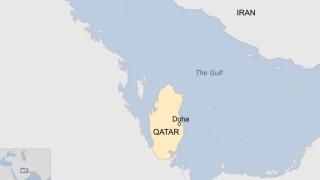
Prosecutors accuse the senior Hermitage Museum scholar of plundering items from the ancient site of Myrmekion, a Greek settlement in Crimea, and causing damage valued at more than $4.5m.
Ukrainian investigators say the haul included around 30 gold coins; a conviction carries a possible prison term of up to five years.
Butyagin has denied the allegations.
Speaking through his lawyer, he said the excavations continued after 2014 to protect the site rather than to cause harm, and acknowledged working without Kyiv’s permission while rejecting claims of deliberate destruction.
The Kremlin has demanded his release and described the case as politically driven.
His defence warns that extradition would put his safety and wellbeing at risk, a concern that European courts have raised in other cases since Russia’s full-scale invasion of Ukraine in 2022.
Butyagin has led the Hermitage’s digs at Myrmekion since 1999.
His team continued working after Russia’s 2014 seizure of Crimea and even after the wider conflict began, despite Kyiv withdrawing authorisation for the work.
Ukraine’s security service announced in late 2024 that it had gathered evidence against a Russian national for looting cultural property in occupied Crimea.
A Kyiv court issued an arrest warrant for the suspect in April 2025, and Butyagin was detained while travelling in Europe and giving public talks.
Legal experts note another layer to the dispute: Russia is not a signatory to the second protocol of the Hague Convention on protecting cultural property in armed conflict, while Ukraine and most European states are, making the legality of excavations in occupied territory contested.
Ukrainian archaeologists have criticised Russian-led digs in occupied Crimea, saying they have damaged the peninsula’s heritage.
A motion for Butyagin’s release on bail has been rejected by the Polish court.
The ruling sets up an appeals process in Poland and a possible ministerial decision on extradition.
The case underscores the tangled legal and cultural-heritage issues that have emerged since Russia’s annexation of Crimea and the broader war with Ukraine.