A bitter disagreement over the damaged Druzhba oil pipeline has stalled a vital €90bn EU loan to Ukraine and laid bare how a single member state can disrupt bloc decisions.
No crude has passed from Russia through Ukraine to Hungary and Slovakia since a Russian strike hit the Brody pumping station in western Ukraine on 27 January.
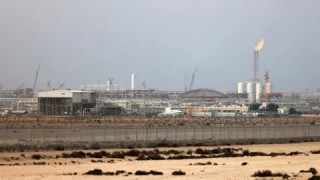
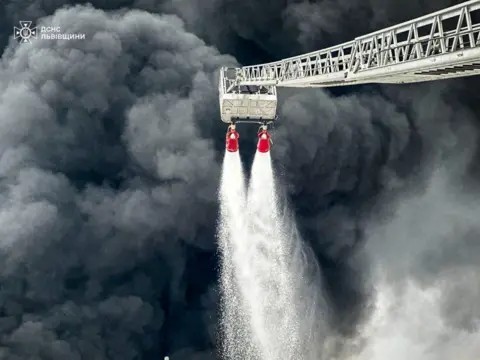
Satellite imagery and on-the-ground reports show a massive storage tank—one of the largest in the country—went up in flames and smouldered for days.
Ukrainian engineers say the blaze burned at extreme temperatures and likely harmed more than the tank itself, potentially damaging pumps, sensors and other internal systems needed to operate the pipeline safely.
Kyiv estimates repairs will take about six weeks and says ongoing attacks and limited resources slow the work.
Brussels has offered immediate technical help and funding to speed repairs, European Commission president Ursula von der Leyen said, and Kyiv has accepted the assistance.
But Hungary has refused to approve the EU loan while the pipeline remains offline.
Budapest accuses Ukraine of dragging its feet for political reasons.
Prime Minister Viktor Orbán, who maintains friendly ties with Moscow and has campaigned on a critical line toward Kyiv ahead of Hungary’s 12 April election, says the pipeline itself is intact and blames Kyiv for delay.
Hungary’s energy company MOL says it removed roughly 35,000 tonnes from the affected tank without incident and commissioned a U.S.
study concluding that withdrawing the oil was unlikely to damage the buried pipeline.
Officials contend the hold-up is a decision problem rather than a technical one.
Security analysts and some engineers disagree.
They argue the superheated oil could have wrecked valves, safety systems and internal components, meaning the ducts cannot be operated until those parts are checked or replaced.
Repair teams face work curfews because of nightly air raids and a shortage of specialists.
Meanwhile Hungary and Slovakia are adjusting their supplies.
Hungary has started taking non-Russian seaborne Brent via the Adria route from Norway, Saudi Arabia and Libya, but MOL’s refineries are tuned for Russian-grade crude and need modifications to process lighter, lower-sulfur oil.
The row underlines two risks for the EU: the vulnerability of energy routes still linked to Russian supplies, and the political leverage a single member state can exert over collective decisions.
For Kyiv, it is another complication amid a war that already stretches its repair capacity and diplomatic bandwidth.