The government has announced a rise in the national minimum pay that will take effect from April, with adults aged over 21 set to receive an extra 50p an hour, lifting the rate to £12.71.
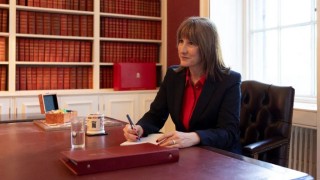
Chancellor Rachel Reeves said around 2.7 million workers will benefit from the increases.
Younger workers will also see larger percentage gains.
Pay for 18 to 20-year-olds will increase by 85p to £10.85 an hour, while under-18s and apprentices will get 45p more, taking their minimum to £8.00.
By percentage, the over-21 rate rises about 4.1%, the 18-20 bracket by 8.5%, and the youngest workers and apprentices by roughly 6%.
For someone working a standard 37.5-hour week, the new over-21 rate would be worth about £24,784.50 a year, roughly £900 more than before.
The Treasury says the new figures try to balance the needs of low-paid workers with what firms can afford and the wider employment picture.
The announcement came ahead of the Budget, which may include further tax and policy changes.
The Low Pay Commission, which recommended the increases, told ministers it had weighed employer concerns and judged that earlier rises had not caused large-scale job losses.
Its chair noted that consultations showed both workers and firms are facing difficult conditions.
Business groups warned that repeated above-inflation wage hikes add pressure on costs.
UK Hospitality said the sector is struggling to absorb rising bills and called for tax relief, while the British Chambers of Commerce warned that higher labour costs can mean less investment and fewer opportunities.
Some analysts worry the bigger rise for 18 to 20-year-olds could backfire.
The Resolution Foundation cautioned that steep increases for younger staff might deter hiring and risk increasing youth unemployment and inactivity.
Campaigners for a higher voluntary rate welcomed the statutory rise but said it still falls short of living-cost benchmarks.
The Living Wage Foundation’s rate is higher than the new legal floor, and its director noted thousands of employers already pay above the statutory minimum.
Last year saw sizeable uplifts to minimum pay and higher employer National Insurance charges, and businesses say further pay rises may lead them to slow hiring, cut other pay increases or pass costs to customers.
The government says the new rates are meant to protect jobs while improving pay for the lowest earners.
Alongside the wage announcement, ministers confirmed an expansion of the sugar levy to include milk-based drinks and plans to broaden the Help to Save scheme.
Other Budget options under consideration include changes to tax-free cash ISAs and stamp duty rules.