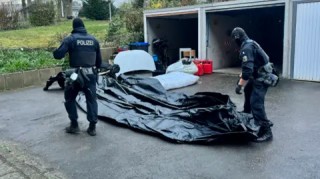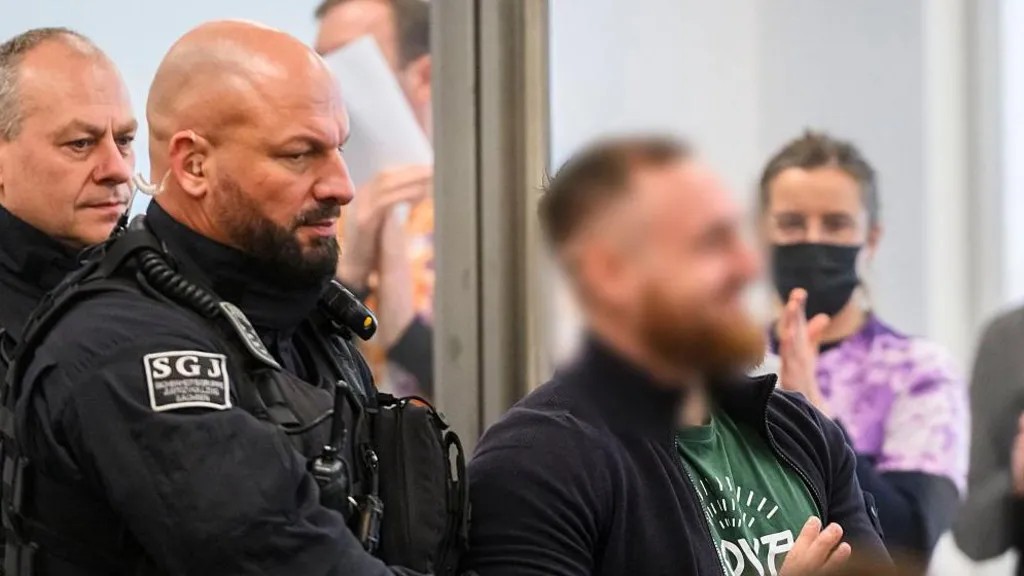
Seven suspects have appeared in a Dresden court accused of belonging to a militant far-left cell dubbed Antifa Ost, or the "hammer gang." Prosecutors say the group carried out a string of brutal assaults in Germany and in Budapest.
The defendants — six men and one woman — face serious counts including attempted murder, aggravated assault and damage to property.
German privacy rules mean they are being identified only by initials: Henry A, Tobias E, Johann G, Thomas J, Melissa K, Paul M and Julian W.
Authorities say the group formed around 2017–2018 and prepared attacks carefully, sometimes observing victims beforehand.
Prosecutors allege attackers used heavy tools such as hammers and iron bars, and in several incidents victims suffered severe head injuries.
Two men, Johann G and Paul M, are accused of prominent roles.
Investigators allege Johann G helped plan operations and recruit members, while Paul M organised combat-style training sessions for the group.
One violent episode cited in court occurred in January 2019 at Dessau-Rosslau train station.
The accused are said to have attacked four people returning from a Magdeburg rally marking the World War Two bombing of the city, continuing to strike victims after they were down.
Prosecutors also point to clashes in Budapest in February 2023, when far-right activists from across Europe gathered for a nationalist commemoration.
Johann G and Paul M are accused of taking part in multiple attacks there, using batons, pepper spray and hammers; one victim reportedly sustained at least 15 blows, mostly to the head.
Earlier this month the United States added Antifa Ost to its list of foreign terrorist organisations.
The designation bars group members from entering the US, can freeze any US-linked assets and makes it illegal to provide material support.
The US move drew praise from the far-right Alternative for Germany (AfD), whose lawmaker Stephan Brandner urged Berlin to adopt similar measures.
The German foreign ministry said it had taken note of Washington's decision but offered no immediate endorsement.
The Dresden trial will examine the allegations and the extent of the group's activities.
Prosecutors say the cases span several years and multiple jurisdictions, and the proceedings are expected to shed more light on the network's operations and leadership.