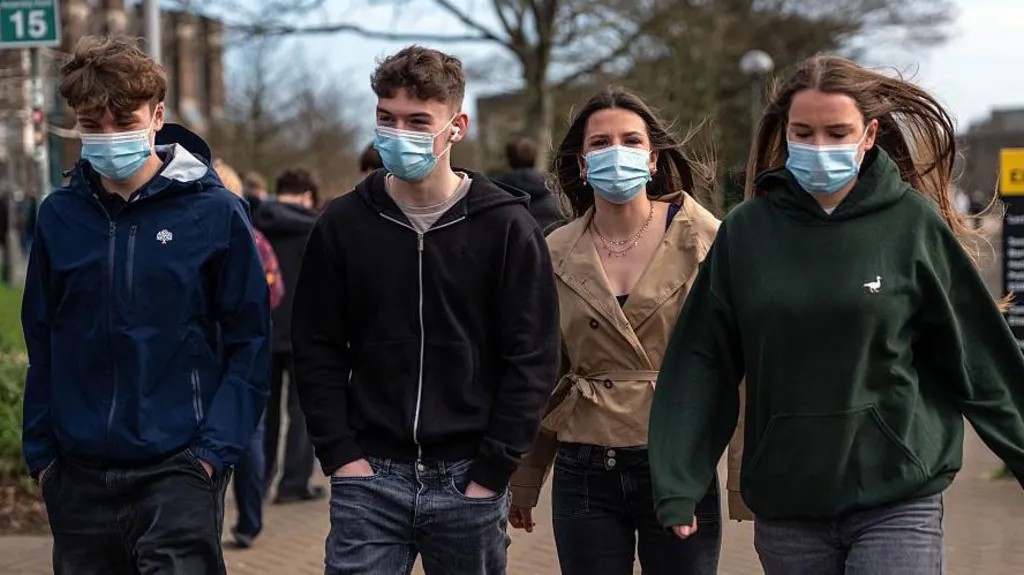
A sudden cluster of meningitis cases in a small area of Kent has left health officials searching for answers.
Around 20 people fell ill over a single weekend, an unusually rapid spike for a disease that normally appears as isolated cases.
Meningitis in the UK is rare and usually scattered.
Past notable outbreaks, such as a 1980s MenB episode in Gloucestershire, unfolded over years rather than days, which makes this recent surge striking.
Meningococcal bacteria live harmlessly in many noses and throats — roughly one in ten people carry them, and carriage rises to about one in four among teens and young adults.
Only a tiny fraction of carriers go on to develop invasive disease such as meningitis or sepsis.
Two broad possibilities are being considered by scientists.
Either the bacteria are spreading far more widely than usual, or the strain involved is more likely to breach the body’s defenses and cause severe illness.
The true cause may be a mix of bacterial traits, human behaviour and environmental factors.
Laboratory tests have identified group B meningococcal bacteria as the cause.
Early analysis suggests the strain has been circulating for several years, and detailed genetic sequencing is under way to check for any recent mutations that could raise its danger.
Behaviour at a busy nightclub has been flagged as a key factor.
At least 11 of the first 15 cases had attended Club Chemistry, and officials say the pattern points to a super-spreader event with further transmission within university halls of residence.
Nightclubs and halls are classic mixing environments where close, prolonged contact makes spread more likely.
But those settings are common elsewhere, so they don’t fully explain why this cluster is so intense in this location.
Experts are also exploring whether activities like sharing vapes or smoking played a role.
Sharing devices can transfer saliva across many people, and inhaled irritants can inflame the throat — potentially making it easier for bacteria to invade.
However, these behaviours are widespread and alone don’t account for the exceptional surge.
Another possibility is interaction with other respiratory infections.
Viral illnesses that cause coughing or sneezing can increase bacterial transmission, and some researchers note that pandemic-era changes in exposure could have left younger people less primed against such infections.
Investigations continue on multiple fronts: genetic sequencing of the bacteria, laboratory studies of how this strain behaves, and public-health tracing of contacts and settings.
Officials stress there are still major unknowns, including exactly where the chain of transmission began.
For now, health authorities are monitoring the situation closely and carrying out tests to determine why this cluster moved so quickly.
Until the lab work and epidemiological studies are complete, the reasons behind the outbreak will remain partly speculative.