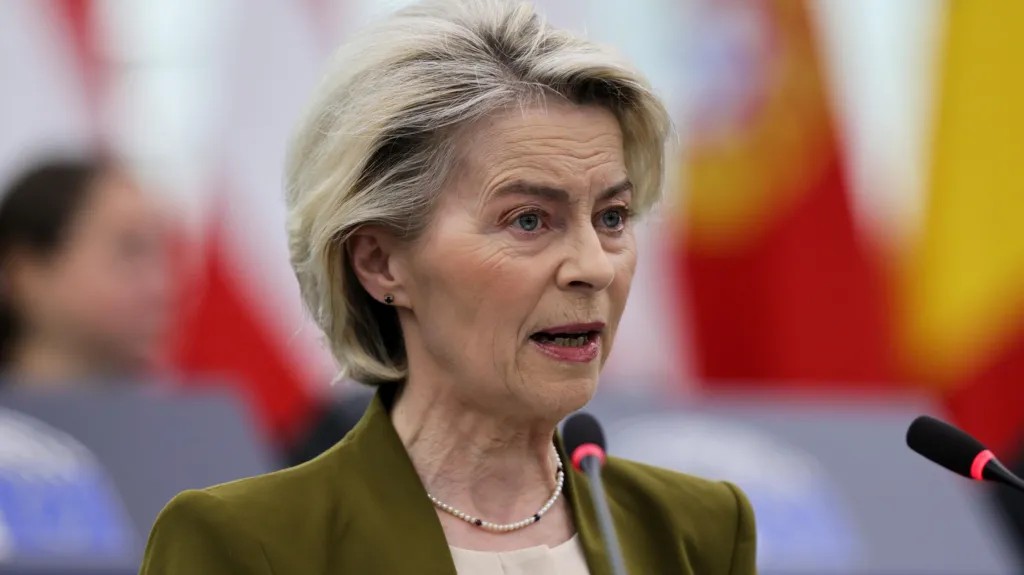
European Commission president Ursula von der Leyen warned that Moscow does not appear ready to pursue genuine negotiations to end the war in Ukraine, describing the conflict as unpredictable and hazardous.
She made the remarks in Strasbourg as EU lawmakers met to discuss the crisis.
Von der Leyen argued that any meaningful settlement will require strong security arrangements to deter future aggression, accusing Russia of reverting to an old‑style great‑power view that treats Europe as its backyard.
Her comments came just before the Kremlin called it too early to talk about a final peace deal.
Recent shuttle diplomacy spearheaded by the US produced revised text after a 28‑point plan was widely criticized for favoring Russia.
Talks in Geneva and Abu Dhabi led Kyiv to agree to the core of a reworked proposal, though Kyiv and Moscow remain far apart on key issues.
President Volodymyr Zelensky described the new draft as a step in the right direction but stressed major disputes remain over territory, NATO prospects and the size of Ukraine’s armed forces.
The Kremlin has downplayed the prospect of compromise.
EU leaders say they were sidelined by the US‑Russia initiative and insist Europe must have a role in any final settlement.
France and the UK convened a “coalition of the willing” to draft security guarantees, and EU officials say much of any implementation will fall to the Union and its NATO partners.
A separate flashpoint is around about €210bn in Russian assets frozen in European banks.
Belgium and other capitals worry about legal exposure and the risk that taxpayers could ultimately be liable if those funds are redirected to Kyiv.
The Commission has prepared options and legal text, with a decision expected at a leaders’ summit in late December.
Washington is continuing its back‑and‑forth diplomacy: a US presidential envoy is due in Moscow next week while a senior US defence official will visit Kyiv.
So far, those efforts since the start of the current US administration have not yielded a breakthrough.
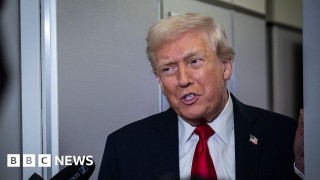
Zelensky has asked for direct talks with former President Trump before month’s end to try to narrow differences, while Trump has said he would meet both Kyiv and Moscow only once a deal is final or nearly complete.
European leaders, including Germany’s chancellor, insist the continent must be treated as an independent actor with a guaranteed role in any outcome.