The UK is set to experience the steepest slowdown in growth among G20 economies as a result of the war involving Iran, the OECD warns.
The organisation now expects UK GDP to expand by just 0.7% this year, a marked downgrade from its earlier 1.2% forecast.
At the same time, UK inflation is projected to rise to about 4%, up sharply from previous estimates.
Global forecasts were also adjusted.
While the OECD left its overall world growth outlook at 2.9% for this year, it raised its projection for inflation across the G20 to roughly 4% from an earlier 2.8%.
The shifts reflect a jump in oil, gas and fertiliser prices after fighting disrupted supplies and damaged energy infrastructure in the Middle East.
The near-shutdown of the Strait of Hormuz — a key shipping route for crude — has been a major factor pushing wholesale energy costs higher.
The OECD cautioned that if the conflict drags on, the world could face significant energy shortages.
Prolonged high energy costs would not only slow growth but also keep inflation elevated and make central banks less likely to cut interest rates.
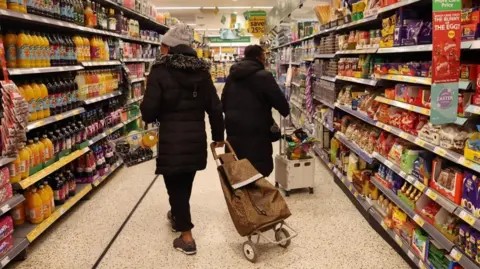
Households are already feeling the squeeze.
UK motorists are paying more at the pumps and users of heating oil face bigger bills.
Mortgage providers have responded by lifting rates and withdrawing many lower-cost deals.
The UK’s official forecaster, the OBR, had already trimmed its growth forecast earlier this year to 1.1% before the Iran war began, signalling the potential for further downside.
The OECD’s update assumes energy market tensions ease and prices fall from the summer onwards — a scenario that could change if hostilities continue.
Ministers say the government is prepared to help the most vulnerable, while stressing the need to balance support with fiscal discipline.
Opposition politicians blamed current economic choices for leaving Britain exposed at a difficult moment.
Business leaders are also sounding alarms.
M&S’s chief executive flagged sharply higher policy-related charges on energy bills, and retailer Next said it could face about £15m of extra costs in a three-month conflict window, with the possibility of passing on prices if disruption lasts longer.
The OECD urged policymakers to focus on targeted, time-limited support for households and viable firms, preserve incentives to cut energy use, and accelerate measures that reduce reliance on imported fossil fuels.
It also noted forecasts remain uncertain and will evolve as events unfold.