German politicians are preparing to make the creation and sharing of pornographic deepfakes a criminal offence after a high-profile complaint from a television actress sparked national debate.
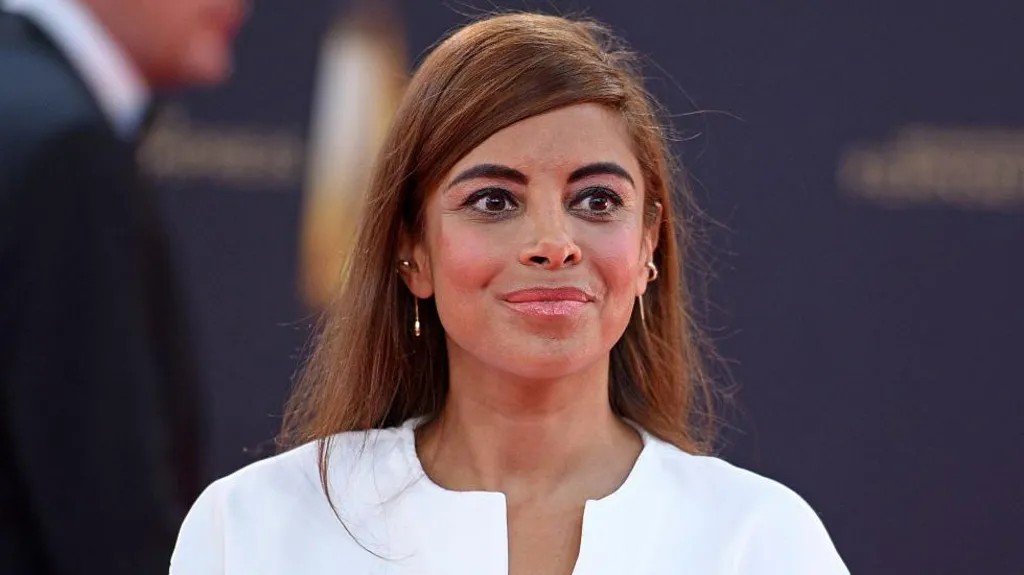
Collien Fernandes has lodged a legal complaint in Spain accusing her former husband, actor Christian Ulmen, of circulating sexualised images of her online.
The allegation, first detailed in a German magazine, set off a wave of public outrage and renewed attention on digital sexual violence.
Ulmen has not been charged, and his lawyer says the media coverage was one-sided and unlawful; they have threatened legal action over the reporting.
Fernandes says fake accounts with sexualised images of her have appeared intermittently for about a decade, and she says the conduct was identified as having occurred while the couple lived in Spain.
The case has prompted demands for stronger protections: more than 250 prominent women across politics, culture and business have called on the government to tighten laws against online abuse.
Their agenda includes enshrining a consent-based sexual offence standard and introducing a specific crime for femicide.
Official data underline the scale of the problem.
A Federal Criminal Police Office study found that digital violence affected one in five women and one in seven men in the past five years, with particularly high rates among 16- and 17-year-olds, yet only a tiny fraction of cases are reported to police.
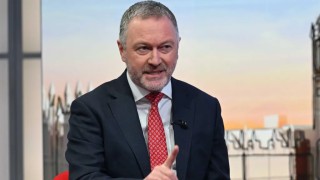
Justice Minister Stefanie Hubig said the government will draft legislation to criminalise the production and distribution of pornographic deepfakes and to speed up legal remedies for victims.
Officials say the aim is to stop the further spread of humiliating material and make it easier for victims to defend themselves in court.
Thousands joined a Berlin demonstration against sexualised digital violence, where supporters read a statement from Fernandes calling for an end to silence around abuse.
Non-profit groups working with victims warn the technology that enables deepfakes — from AI image generators to so-called “nudification” apps — is now widely accessible.
Advocates argue criminalisation would also allow regulators to target platforms and apps that offer these services.
Campaigners say stronger laws would send a clear message about social norms and protect people from a form of harm that is increasingly easy to inflict.