Missile attacks on Qatar's key energy hub at Ras Laffan have caused heavy damage to liquefied natural gas and gas-to-liquids facilities, sending gas prices sharply higher and raising concerns about a prolonged hit to global supplies.
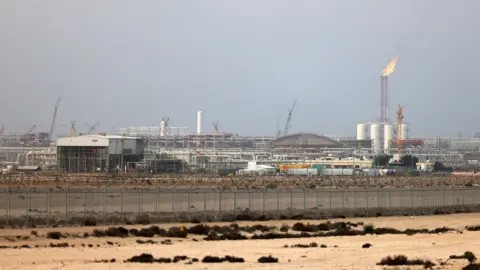
Ras Laffan is Qatar's main LNG processing complex, handling roughly one-fifth of the world's liquefied natural gas.
The site, near the North Field and about 80km northeast of Doha, hosts storage, refining and large international operators alongside state-owned QatarEnergy.
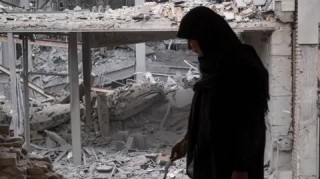
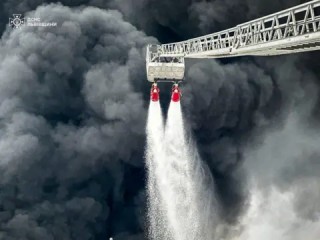
QatarEnergy says two missile strikes struck the complex, badly damaging Shell's Pearl gas-to-liquids plant and sparking significant fires at several LNG units.
Production had already been halted since early March after the outbreak of regional hostilities.
The market reacted quickly: UK wholesale gas briefly jumped more than 30% and was about 22% higher at 170p per therm when trading resumed, while European prices rose roughly 20%.
Analysts described the move as a major shock to the market.
Energy consultancies now warn the incident changes the outlook for global LNG supply and extends the timeline for recovery.
Expectations that a controlled restart would restore flows by mid-2026 now look unlikely, according to market experts.
Because Qatari LNG cannot be replaced easily or quickly, the loss of output is expected to keep upward pressure on world gas prices.
Still, current levels remain below the extreme peaks seen after Russia's invasion of Ukraine.
The UK sources most of its imported gas from Norway and the United States—Norway supplied about three-quarters of imports in 2024 and the US about 17%, with Qatari LNG making up under 2%.
Even so, gas plays a crucial role in setting UK electricity prices because it is the marginal fuel for power generation.
That linkage means rising gas costs tend to translate into higher wholesale electricity charges and, eventually, consumer bills.
Commentators say the government may need to outline plans to bolster energy security and protect households facing higher costs in the months ahead.
With the situation still unfolding, markets and policymakers are watching closely for further disruptions.
Continued regional escalation would likely prolong volatility and put more strain on global energy supplies.