A string of attacks on a major gas field shared by Iran and Qatar has pushed energy markets higher and put fresh strain on the U.S.-Israel partnership.
Israeli forces struck facilities in the South Pars field, one of the world’s largest gas reserves, and Iran responded by targeting an energy complex in Qatar.
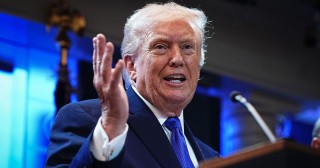
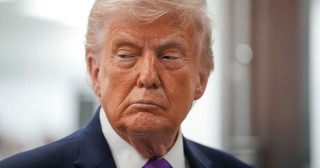
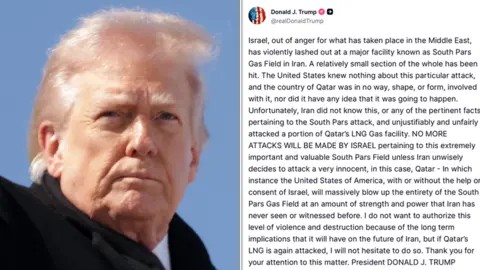
The tit-for-tat exchange prompted a fierce post from US President Donald Trump on his Truth Social feed.
Trump insisted the United States had no prior knowledge of the Israeli operation, a claim at odds with several Israeli media reports suggesting coordination between Jerusalem and Washington.
Those reports say Israeli leaders discussed the strike in advance with foreign counterparts, leaving the true level of US involvement unclear.
The president described the Israeli action in unusually blunt terms, casting it as an angry and forceful response rather than a carefully planned allied operation.
That choice of words has raised questions about whether he viewed the strike as ill-advised.
In an emphatic line, Trump warned that Israel would not carry out further attacks on South Pars unless Iran again targeted Qatar.
The tone could be read as either a firm instruction or a public rebuke to Prime Minister Benjamin Netanyahu — the message was ambiguous.
Israeli officials, for their part, stress broad agreement with Washington on the objectives regarding Tehran, especially curbing Iran’s missile, drone, and nuclear capabilities.
Yet Jerusalem has been more explicit about wanting to weaken Iran’s regime itself, using targeted strikes and assassinations to erode Tehran’s control.
Washington’s approach has leaned toward degrading Iran’s military reach — hitting missile and drone infrastructure, naval assets, and coastal sites.
Israel’s operations have often focused on leadership targets and internal security forces such as the Basij, part of a strategy aimed at fomenting domestic pressure on Tehran.
Trump also asserted that Qatar had no role in the initial attack and suggested Iran may have struck back without understanding the full picture, implying Tehran misread who was involved when it retaliated.
The post contained a stark threat: if Iran attacks Qatar’s LNG facilities again, the US would be prepared to destroy the South Pars field, with or without Israeli cooperation.
That line — and the mention of acting without needing Israeli consent — stood out as both a warning and a surprising public disclosure about possible unilateral options.
Beyond the immediate military fallout, the clash is proving politically charged.
Support for the campaign remains high in Israel, where the conflict could bolster Netanyahu; in the United States, backing is more muted and the episode risks complicating Republican prospects ahead of elections.
Close military ties have not prevented friction.
For the first time in a conflict of this scale fought alongside Israel, the partnership is being tested by differing tactics, public messaging, and the unpredictable economic effects of strikes on shared energy infrastructure.
As events unfold, the episode highlights how quickly regional confrontations can complicate alliances and domestic politics while driving up global energy costs.