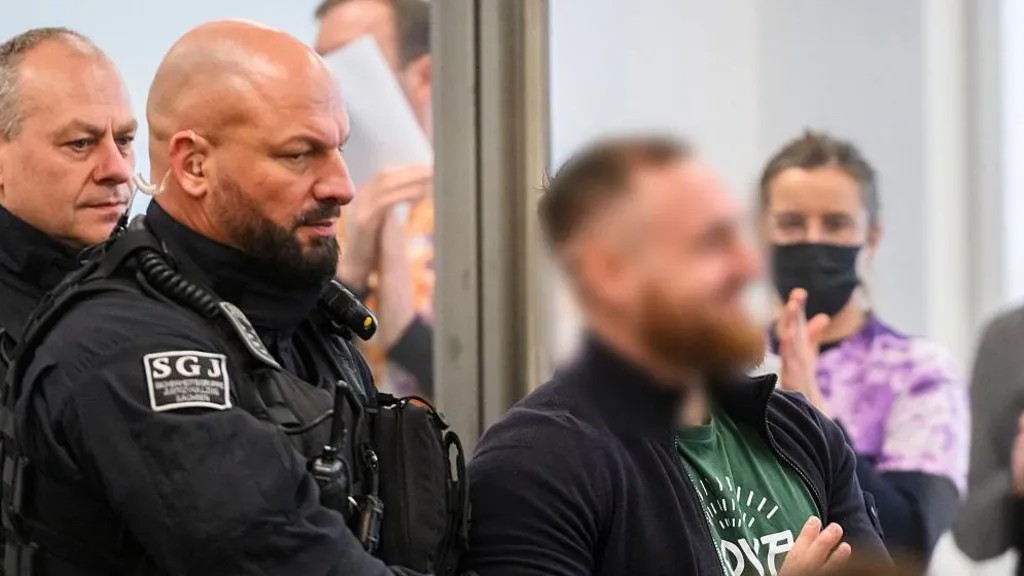
Seven people have gone on trial in Dresden accused of belonging to Antifa Ost, a militant left-wing group sometimes referred to as the "hammer gang." German prosecutors say the defendants are charged with a string of violent attacks against people they identified as part of the right-wing scene.
The accused — named only by initials under German privacy rules as Henry A, Tobias E, Johann G, Thomas J, Melissa K, Paul M and Julian W — face counts including attempted murder, aggravated assault and property damage.
Prosecutors allege the group formed around 2017–2018 and carried out coordinated assaults in Germany and in Budapest.
Investigators say the attacks were planned carefully, with targets observed in advance and victims struck with heavy implements such as hammers and batons.
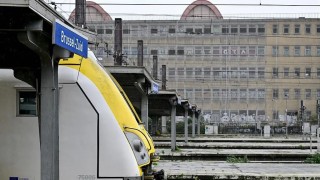
One incident described in court took place in January 2019 at Dessau-Rosslau train station, where defendants are accused of ambushing four people returning from a Magdeburg rally marking the World War Two bombing anniversary.
Authorities say the suspects continued to deliver life-threatening blows and kicks after the victims had fallen.
Two defendants, Johann G and Paul M, are singled out by prosecutors as having major roles in the group.
Johann G is accused of organizing attacks and recruiting members, while Paul M is alleged to have arranged combat training.
Prosecutors also attribute attacks in Budapest in February 2023 to members of the cell.
During a right-wing gathering, the court heard, several activists were allegedly beaten with batons and struck with a hammer, and one victim reportedly suffered numerous blows to the head.
Earlier this month the United States formally labelled Antifa Ost a terrorist organisation, part of a broader move by the US administration targeting far-left groups in Europe.
That designation bars suspected members from entering the US, can freeze any assets there and makes providing material support a crime.
Germany’s foreign ministry said it had taken note of the US action.
The far-right Alternative for Germany (AfD) party praised the designation and urged Berlin to follow suit, arguing that all forms of extremism should be confronted.
The Dresden trial will examine years of alleged violence and the degree of coordination behind it, as prosecutors seek to prove the group's responsibility for the attacks.
Court proceedings are expected to continue as evidence and witness testimony are presented.