Viktor Orbán, Hungary’s dominant political figure for more than a decade and a half, is suddenly campaigning hard to halt a slide in the polls.
With the 12 April parliamentary vote looming, his long‑held image of steady leadership is under strain.
Recent surveys show a sharp swing toward the opposition, with one poll putting Peter Magyar’s Tisza movement well ahead of Orbán’s Fidesz.
Analysts say the shift reflects growing public belief that change is possible after years of tight Fidesz control.
Critics accuse Orbán’s government of steering lucrative state contracts to allies and friends, transforming construction projects and local deals into a source of private wealth.
The administration defends these policies as efforts to keep key assets in Hungarian hands rather than foreign ones.
The campaign has also been marked by allegations of voter manipulation in rural areas, where Fidesz’s local networks are strongest.
Investigations and testimonies claim mayors have leveraged municipal jobs, supplies and even cash to secure votes, while party teams organise transport and assistance for voters on election day.
Orbán’s strategy blends nostalgia, economic promises and a foreign‑policy warning: he frames the choice as one between peace and involvement in the Ukraine war.
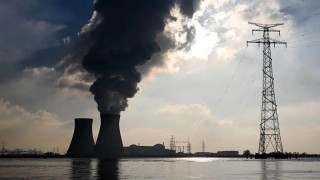
His government has maintained close ties with Russia and resisted broader EU efforts to curtail dependence on Russian energy — a stance that dominates his messaging.
Enter Peter Magyar, a former Fidesz insider who broke with the party and created the Tisza movement in 2024.
Magyar has spent months touring small towns and villages, focusing on health, education and local services, and livestreaming large crowds to counter Fidesz’s media advantage.
Magyar also argues for diversifying Hungary’s energy sources and repairing relations with the EU and NATO.
His rapid rise — from political turnaround to frontrunner in swing districts — has unsettled the governing camp and energised many younger and rural voters.
The outcome will matter far beyond Hungary.
A Fidesz victory would strengthen a model of tightly controlled, nationalist governance that has inspired parties elsewhere in Europe.
A loss for Orbán would weaken that current and boost those hoping to reverse Hungary’s democratic backsliding.
Whichever side wins, the next government will face immediate, thorny tasks: either deepening an already centralised system or attempting to rebuild independent institutions such as the courts, the audit office and public media.
How quickly and how far such changes could be made would depend heavily on the scale of the result.
With just days to go, Hungary’s vote is shaping up as both a domestic turning point and a test for rival visions of Europe’s future — from continued inward‑looking nationalism to a bid for renewed ties with Brussels and the West.