
Brits have been warned about fuel shortages and what to do next by an expert. Iran is blockading the Strait of Hormuz in response to air strikes by Israel and the US, preventing about 20% of the world’s oil trade from passing through.
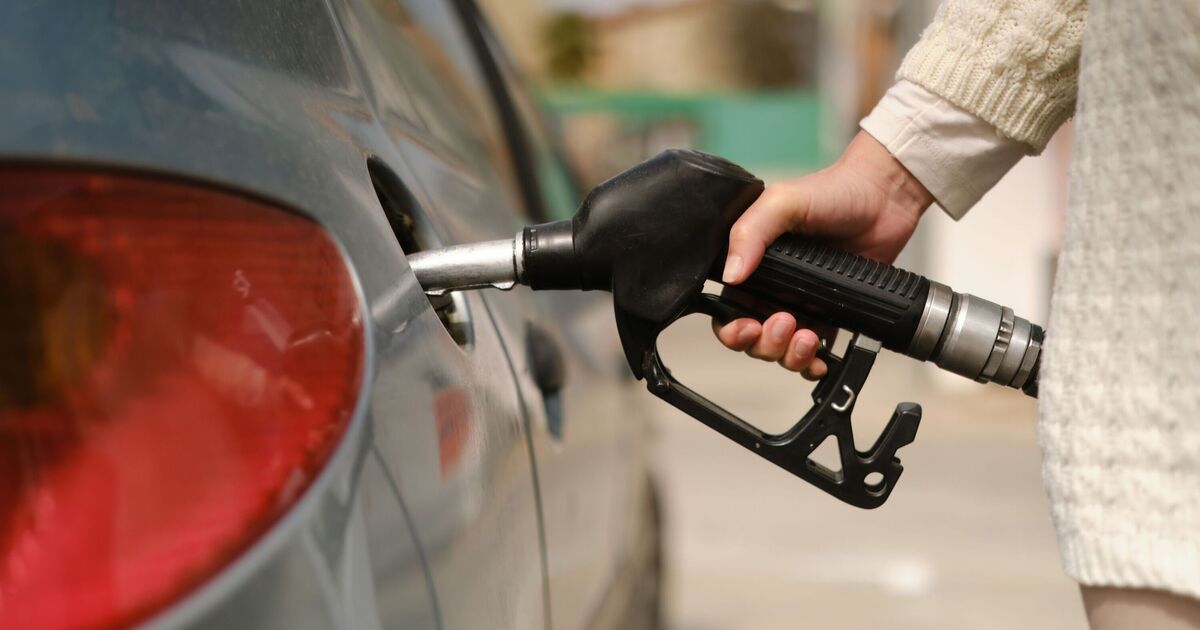
Trade bodies, the RAC and the Government have said that petrol and diesel supply remains healthy in spite of the conflict and that panic buying isn't necessary. While there isn’t a nationwide shortage, there are some local challenges with certain retailers struggling to get deliveries. These closures can also be due to consumer demand, with drivers quick to fill up at garages with lower fuel prices.
Nick Butler, an energy economist, ex-BP head of strategy, and advisor to Gordon Brown, was on Sky News to discuss the war in Iran and potential fuel shortages. He told Trevor Phillips that even an end to the conflict won’t solve fuel shortages. Butler said: “I don’t think the ending of the war would end the energy problem because this is not a crisis caused by politics, as many in the past have been.
“It’s a crisis now being caused by the actual destruction of production facilities, as in Qatar, and refining facilities, as in Kuwait. Because we depend so much on the Gulf, this is affecting the whole global market.
“This is why people are now concerned that there’s a developing shortage of diesel and jet fuel - jet fuel prices have gone up 50% since the war began and I think they’ll go up further.
“It will come to affect us. The point of pressure here in Europe will be late April, early May. But it’s obvious it’s coming and that won’t be avoided just by a political agreement.”
Butler said he’s “not sure it’s true” that fuel companies are profiteering from the crisis, but that a serious policy is needed for the shortage “that is coming”.
He said the Government needs to be maximising British production from the North Sea, as advised to all member nations of the International Energy Agency.
One solution he suggested involved limiting drivers to alternate days on the road, depending on their car’s registration number.
Mr Butler also floated the idea of employers giving staff an extra day off each week to help cut down on commuter traffic, easing the strain on the country’s fuel supplies. He explained: "If supplies are cut by 20%, then someone is using 20% less."
He told BBC Radio 4's Today programme: "The government has to protect the key sectors of the economy – food supply, health service, schools and so on – and then it has to work out how it's going to manage the market for the rest of us.
"I don't think they can just leave it to a free-for-all, which would be chaotic and very regressive and unfair to those of limited ability to pay. I don't think it's going to be ration books."