
A meningitis outbreak that has claimed two lives in the UK is the result of a “perfect storm” of conditions that allowed the disease to spread, an expert has said. Cases in Kent have been linked to Club Chemistry in Canterbury, and hundreds of people who visited the location on March 5, 6, or 7 are urged to come forward for preventive treatment.
Dr Bharat Pankhania, a consultant in communicable disease control, told the Express the situation was a “perfect storm”. He explained: “A crowded nightclub, a busy place with lots of people, poor ventilation, somebody was secreting the meningococcus B bacteria, and it spread to others. Is this a UK-wide issue to come? I don't think so.”
One of the victims was a student at the University of Kent and the other a Year 13 pupil in Faversham, named as Juliette.
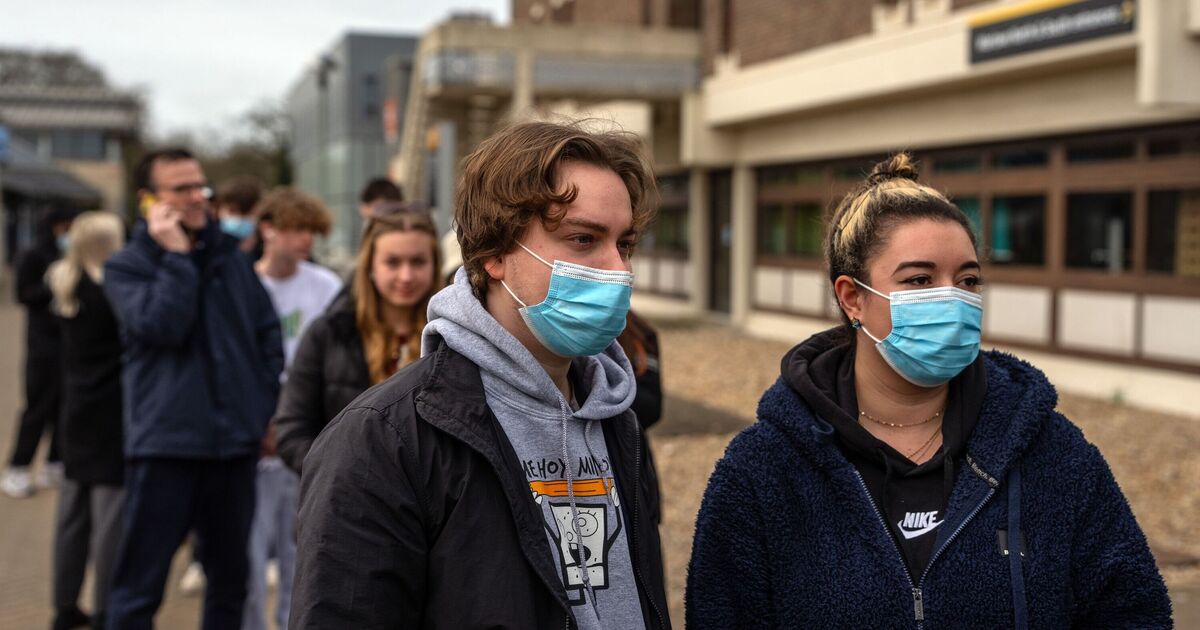
Students at the nearby University of Kent were pictured wearing face masks as they queued for antibiotics on Tuesday.
Asked whether face masks could become mandatory as officials race to contain the outbreak, Dr Pankhania said it should remain a matter of personal choice.
He added: “Meningococcus is not as infectious as a viral infection such as SARS-CoV-2 (Covid) or influenza. If [wearing a face mask] makes people feel comforted, then they are at liberty to do so, but it's a personal choice.”
Dr Pankhania, who is a senior clinical lecturer at the University of Exeter Medical School, said he believed the outbreak would be contained locally and it is “highly unlikely” to spread across the UK.
He added: “My advice as an expert in infectious disease would be twofold. One, be aware of the signs and symptoms of meningococcal infection.
“If you are unusually unwell with a severe, unusual headache, photophobia, neck stiffness, fever, vomiting, generally unwell, do seek help soon rather than delay.
“The other bit is prevention is the best, cheapest method possible. For mothers whose children have not been immunised against the meningitis group B strain, please do so. Take your baby and get them immunised.”
Babies are offered three doses of the MenB vaccine on the NHS at the ages of eight weeks, 12 weeks and one year. The MenACWY vaccine is offered to teenagers in schools, with catch-up doses available up to age 25.