
However, this is often easier said than done. While hypertension can occasionally cause symptoms like blurred vision, chest pain, and headaches, these are relatively rare. In many cases, people with high blood pressure have no symptoms, making regular check-ups the only reliable way to detect it.
The NHS highlights that high blood pressure is particularly prevalent among older adults and identifies eight key risk factors that could increase your chances of developing it, even in the absence of symptoms. These include:
The official NHS website adds: "High blood pressure (also called hypertension) can lead to serious problems like heart attacks or strokes. But lifestyle changes and blood pressure medicines can help you stay healthy."
People who suspect they may have hypertension or are at risk of developing it should arrange to have their blood pressure monitored at their GP surgery or local pharmacy. Those aged 40 and above who haven't had their blood pressure tested in more than five years should also book an appointment.
The NHS advises contacting NHS 111 if you regularly experience headaches, blurred vision, sporadic chest pain or other indicators of high blood pressure. However, dialling 999 is essential if you're experiencing these three warning signs, as they could signal a heart attack:
For more information, visit the NHS website here.
Selected pharmacies throughout England provide complimentary blood pressure tests to qualifying people. This service is designed for people aged 40 and over residing in England who are unaware that they have elevated blood pressure.
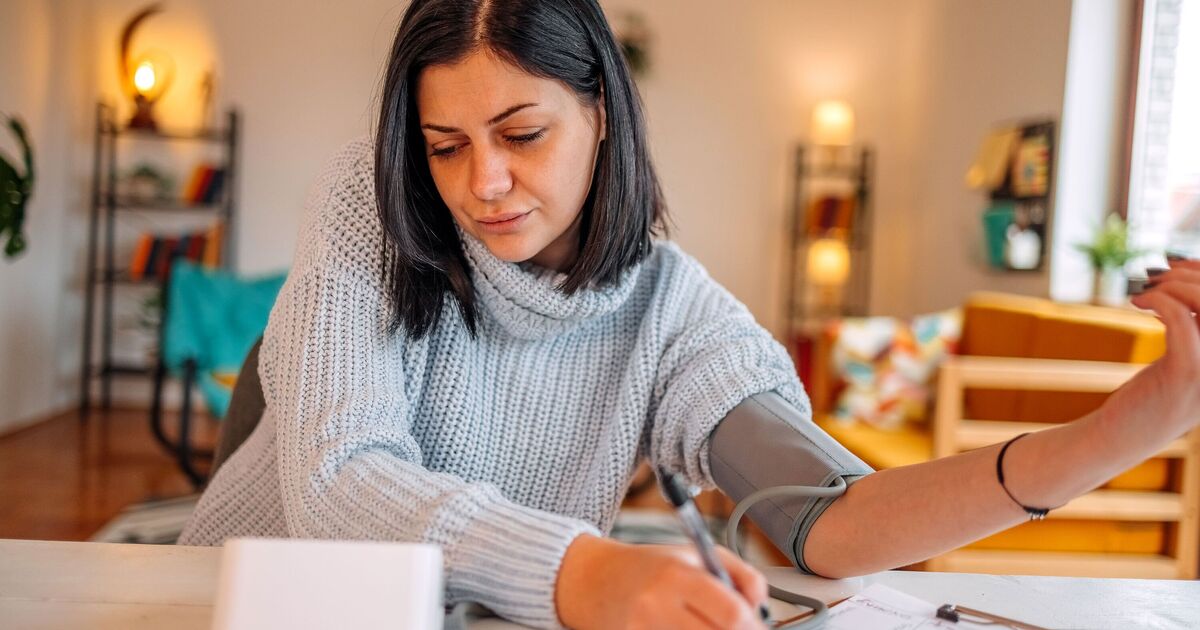
Those who already know they have high blood pressure or have had their levels monitored within the previous six months will not be eligible for this service. Similar to a standard blood pressure examination, these appointments typically involve a pharmacist or healthcare assistant placing a cuff around your upper arm to obtain a reading.
Based on the outcome, you might be advised to consult your GP, issued guidance on maintaining a healthy lifestyle, or given a monitoring device to use at home before a follow-up visit.
Blood pressure measurements consist of two figures, with the first figure greater than the second. For people below 80 years of age, a reading is usually deemed elevated if it reaches:
For people aged 80 and above, a blood pressure reading is generally considered high if it is: