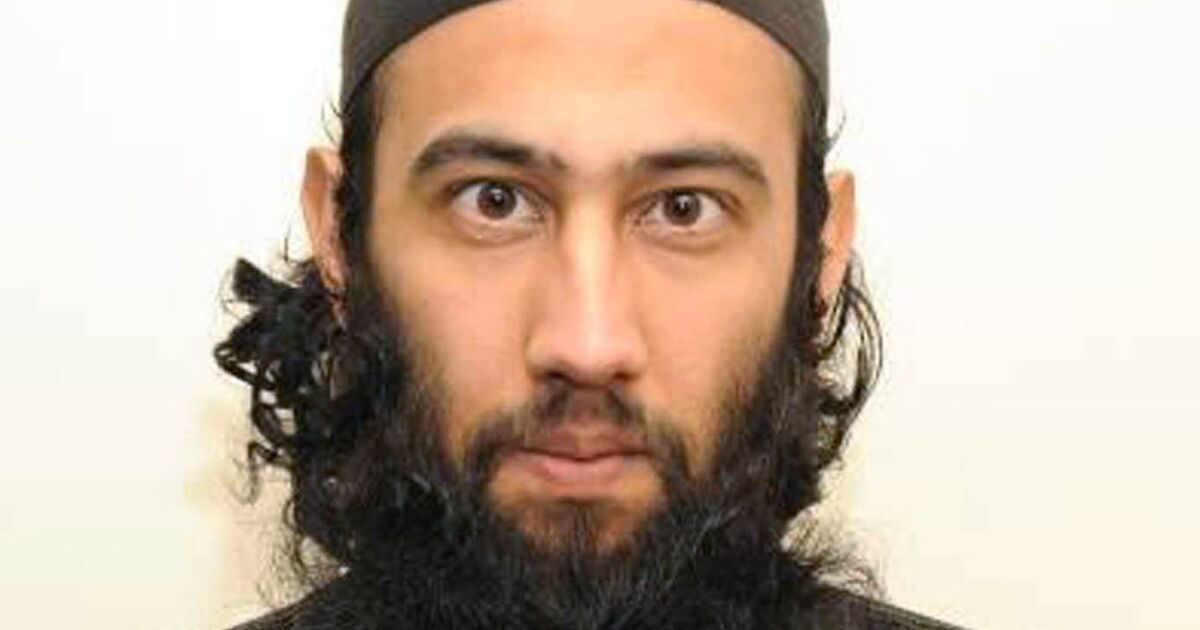

Iqbal was originally jailed for 11 years and three months, with a further five-year extension added in 2013. However, he could now be freed early, despite objections from both his prison offender manager and community offender manager, according to critics.
In their letter, they said: “We are deeply concerned about this decision, especially as both his prison offender manager and community offender manager said he should stay in prison.”
They added: “We all know the threat posed by Islamist extremism in this country. The Government must veto the decision to release Zahid Iqbal and keep him behind bars.”
Iqbal was one of four men from Luton who plotted an Al Qaeda-inspired attack in 2013. The group discussed driving a toy car packed with explosives through a gap under the gates of a military base and detonating it beneath a vehicle.
The gang also considered other targets, including MI5 headquarters in London and a busy shopping centre, and discussed plans in conversations secretly recorded by police. The plot was influenced by instructions published in the extremist magazine Inspire, which has been linked to other terror attacks.
*** Ensure our latest news headlines always appear at the top of your Google Search by making us a Preferred Source. Click here to activate or add us as Preferred Source in your Google search settings. ***
One of the men helped organise training trips to Pakistan, while the group also carried out military-style training exercises in Snowdonia and the Brecon Beacons.
Iqbal and Mohammed Ahmed were each sentenced to 16 years and three months in prison, while co-conspirators Umar Arshad and Syed Hussain received shorter sentences. All four admitted planning acts of terrorism.
The potential release has reignited debate over how the UK manages convicted terrorists and the role of the Parole Board. Critics argue that individuals convicted of serious terror offences should face stricter release thresholds, while civil liberties groups warn against political interference in judicial processes.
The Parole Board and the Ministry of Justice have been contacted for comment.
If released, Iqbal would be subject to strict licence conditions, monitoring and potential restrictions on movement and communication. However, security experts warn that even heavily supervised individuals can pose a risk.
The case is likely to intensify scrutiny of the parole system and could trigger calls for legislative reform to prevent the early release of convicted terrorists in the future.