
Three African nations capitulated to Britain's Trump-style visa sanction threats after refusing to accept deported illegal migrants.
Over 3,000 illegal migrants and criminals from Namibia, Angola and the Democratic Republic of Congo face fast-tracked deportations following the countries' policy reversals.
Home Secretary Shabana Mahmood issued them a one-month ultimatum to cooperate or confront escalating penalties culminating in citizen visa bans.
Namibia and Angola surrendered almost immediately, while the DRC relented only recently after Britain removed preferential visa treatment for its VIPs and cancelled fast-track visa processing for all DRC citizens.
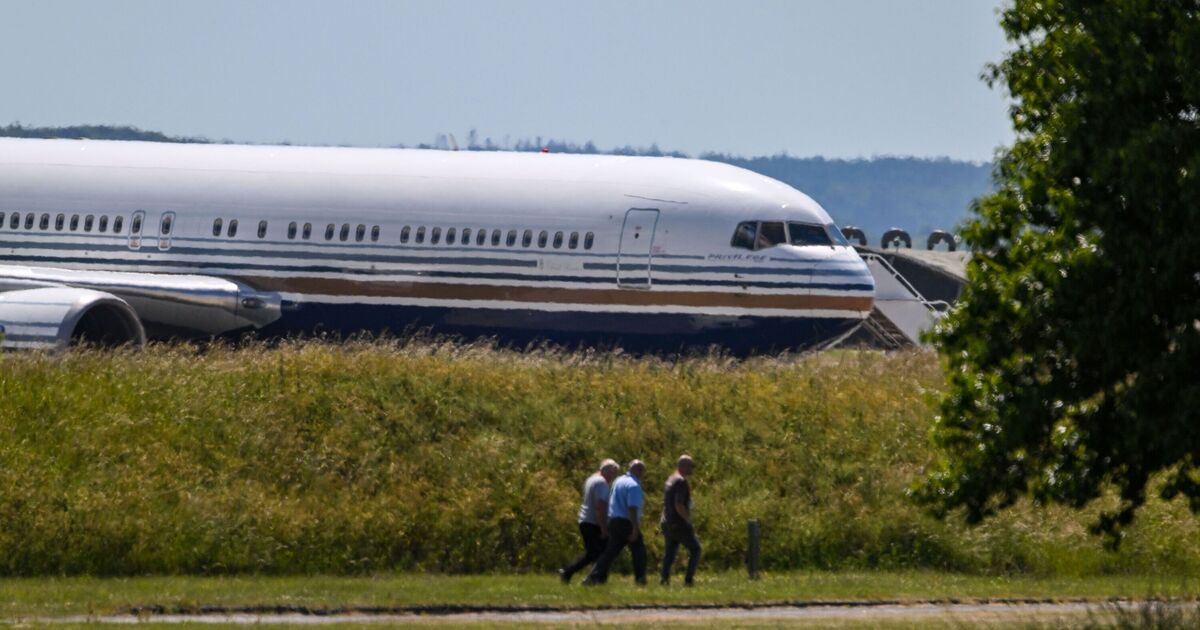
A charter flight transported the initial group to Namibia last month, The Times learned, with the first Angola returns flight scheduled this month and DRC removals planned for next month.
Mahmood declared the outcome demonstrated sanction threats effectively forced cooperation shifts, announcing preparations to formally threaten other nations resisting illegal migrant and foreign criminal deportation efforts.
Home Office statistics reveal UK removals - both forced and voluntary - have reached their highest level in ten years.
Last year saw 38,078 people with no UK residency rights removed, the largest figure since 2016's 40,377 removals.
Small boat migrant deportations have declined however, with only 2,272 - representing 5 percent - of the 45,659 small boat arrivals deported in the year to September, the latest available data period.
The Home Office reported 58,500 illegal migrants and foreign criminals removed or deported since Labour assumed government in 2024, comprising 15,200 forced deportations and 43,000 voluntary departures.
The 65,000 migrants arriving by small boats during the same timeframe exceeded total removals.
Mahmood said: "If foreign governments refuse to accept the return of their citizens, then they will face consequences. Illegal migrants and dangerous criminals will now be removed and deported back to Angola, Namibia and the Democratic Republic of Congo. I will do what it takes to restore order and control to our borders."
India, Pakistan, Nigeria, Bangladesh, Somalia and Gabon are understood to represent the remaining nations most resistant to accepting returned illegal migrants, potentially facing visa sanctions this year.
Threatening visa sanctions against India or Pakistan risks diplomatic confrontation given substantial annual UK visitor numbers from these nations and strong Commonwealth connections.
The Conservatives accused Labour of deceiving the public by incorporating voluntary returns into figures, which constitute the majority of all removals.
Shadow home secretary Chris Philp MP said: "Labour are not fooling anyone. They are barely removing any small boat immigrants — a mere 5 per cent, hence why the boats keep coming. Labour are padding out the figures by bundling in voluntary returns, which make up the vast majority of returns."
The Council of Europe head cautioned against reforming the European Convention on Human Rights to address illegal immigration, warning it would establish a dangerous precedent enabling countries to erode other human rights protections.
Alain Berset, chief of the ECHR-responsible organisation, urged nations including Britain toward caution regarding plans to reform the 46-member state treaty, which faces criticism for limiting governmental immigration control capacity.
The UK joins 27 states demanding ECHR rule changes facilitating foreign criminal deportations and offshore migrant deportation agreements.
They signed a joint declaration advocating treaty application restrictions on foreign criminals, paving the way for summer summit reforms.
Berset told Euronews that reforming the treaty for immigration purposes could unleash unintended consequences.
He said: "What we are doing now will be very well observed. What will happen now with migration, other countries may start discussing other [changes to human] rights. We must be really careful. Because maybe other countries are ready to start the same kinds of discussion on [other] rights. And maybe then we won't agree about this."