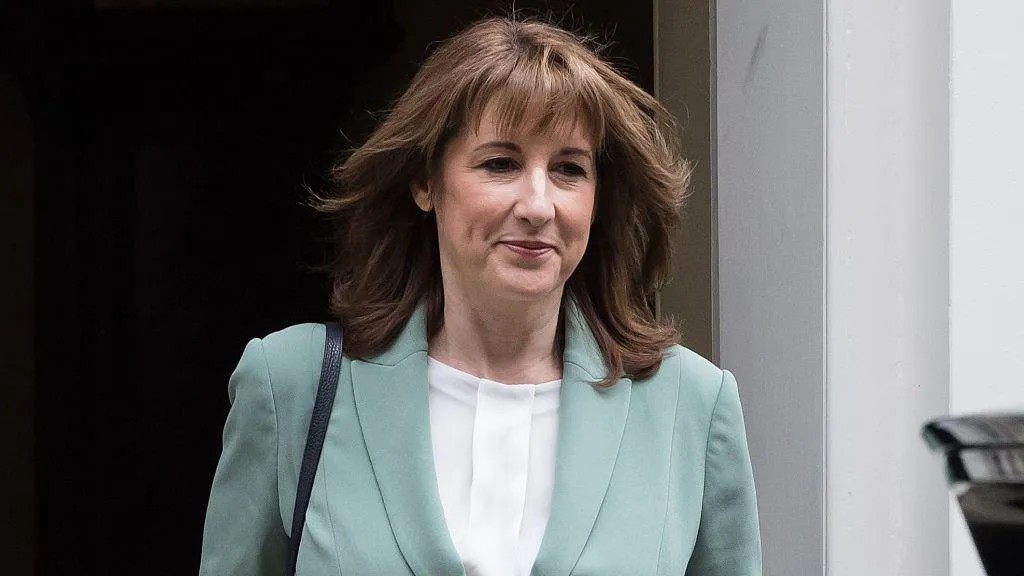
Chancellor Rachel Reeves says the government is drawing up contingency plans to shield the most vulnerable households if the war in the Middle East drives UK energy costs higher.
Reeves warned the full economic fallout is still unclear but promised measures would focus on those most in need, while sticking to borrowing limits and a goal of keeping inflation and interest rates down.
Households in England, Scotland and Wales are set to see Ofgem’s price cap fall for three months from April, but analysts expect a sharp rise in gas and electricity bills by summer.
The Treasury estimates energy costs could climb by about £332 a year from July if wholesale prices remain elevated.
Much of the pressure on global energy markets has come from disruptions to supplies through the Strait of Hormuz, where a significant share of the world’s oil and LNG usually passes.
Wholesale prices have surged during the fourth week of the conflict, raising fears this will feed into retail bills.
Reeves indicated any support package would be more targeted than the universal Energy Price Guarantee introduced in 2022, which the Treasury says disproportionately benefited the richest households.
She said officials are working with the Department for Work and Pensions to make sure help reaches those most in need.
Opposition figures criticised the chancellor’s handling of the economy and questioned how much fiscal headroom exists for new measures.
Sir Mel Stride asked what scope the government actually has to fund targeted relief.
Reeves also announced a new anti-profiteering regime for the Competition and Markets Authority to investigate firms that might be exploiting price spikes.
Fuel retailers, however, have denied charging unfairly and have criticised the government’s rhetoric.
Petrol prices have hit an 18-month high, according to the RAC, while the CMA continues to gather evidence on possible fuel overcharging.
Details on who will qualify for any support and how it will be delivered have not yet been finalised.